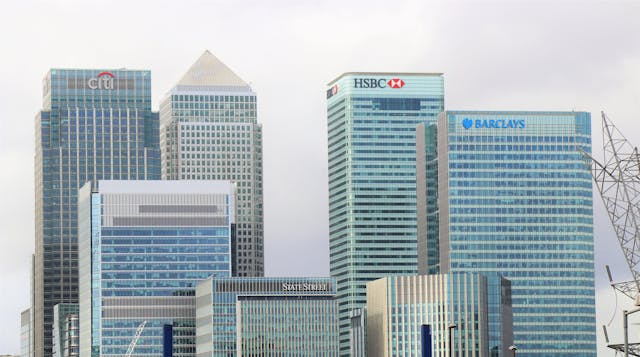
For decades, the banking ritual for residents in cities like Liverpool, Manchester, and Birmingham was simple: you opened an account with the bank your parents used—usually one of the “Big Four”—and stayed there for life.
However, as we move through February 2026, that loyalty is being tested by a harsh economic reality. With the cost of living still a primary concern, the gap between what traditional banks offer and what digital challengers provide has become a “loyalty tax” that many can no longer afford to pay.
In this deep-dive guide, we analyse whether your legacy bank account is a safe haven or a financial anchor dragging down your net worth.
1. The Interest Rate Gap: A Quiet Drain on Savings
The biggest point of contention in 2026 remains the interest rate on easy-access savings. While the Bank of England base rate has stabilised, traditional banks like Barclays, HSBC, and Lloyds have been notoriously slow to pass these rates on to their standard savings customers.
Typically, a standard “Instant Access” account at a high-street branch might offer between 3.25% and 3.60% AER. On the surface, this looks competitive. However, when you compare this to digital leaders like Chase UK at 4.5% AER, the math becomes sobering.
The Cost of Loyalty: If you have £20,000 in a legacy account at 3.25%, you earn £650 a year. In a 4.5% digital account, you earn £900. By staying put, you are essentially paying a £250 annual “convenience fee” for a plastic card that does exactly the same thing.
2. The “Digital Regular Saver” Trap
To combat the exodus of customers, high-street banks have introduced “Regular Savers” with eye-watering rates, sometimes as high as 7% or 8% AER. While these make for great marketing headlines on the streets of Liverpool, the reality is more restrictive.
Most of these accounts limit your deposits to £150 or £250 per month. If you have a lump sum from a house sale or an inheritance, these accounts are practically useless for protecting your total wealth. Digital banks, conversely, apply their high rates to much larger balances—often up to £1,000,000—making them the superior choice for serious savers in 2026.
3. Where the High-Street Still Wins: Credit and Mortgages
It is important to remain objective: digital banks like Monzo and Starling have revolutionised spending, but they are still catching up on lending. If you are looking to buy a home or need long-term credit, the traditional giants still hold the upper hand.
- Mortgage Integration: If you have a mortgage with NatWest or Halifax, having your current account with them can sometimes lead to preferential rates or “offset” opportunities that digital-only banks simply cannot facilitate yet.
- The 0% Credit Card Era: In 2026, we are seeing a resurgence of “Balance Transfer” and “Purchase” cards. Banks like MBNA and TSB are offering up to 28 months of 0% interest. For a family planning a major renovation or a large wedding, this interest-free window is a massive financial tool that apps like Revolut—which focus on short-term “Flex” credit—cannot match.
4. The Branch Dilemma: Do You Really Need a Counter?
One of the main reasons people stay with traditional banks is the comfort of a physical branch. In Liverpool city centre, branches are becoming rarer, often replaced by “banking hubs.”
The question for 2026 is: When was the last time you actually went inside a bank? Digital banks have invested millions into 24/7 UK-based in-app support. While a traditional bank might require you to book an appointment three days in advance to discuss a transaction limit, a Chase or Monzo user can often resolve the same issue via chat while sitting on the Merseyrail on their way to work.
5. Security and the £120,000 FSCS Milestone
A significant shift in 2026 has been the public perception of digital security. Following the 2023 banking scares, the UK government and the PRA (Prudential Regulation Authority) reinforced the FSCS (Financial Services Compensation Scheme).
The current limit of £120,000 per person, per institution applies equally to Chase, Monzo, and Starling as it does to HSBC or Barclays. The “risk” of digital banking is now a myth. In fact, many argue that the biometric security (FaceID, fingerprint) and instant transaction notifications of digital apps make them safer against fraud than traditional banks that still rely on older IT infrastructure.
6. The Verdict: The “Hybrid” Banking Model
The most financially literate people in the UK are no longer choosing sides. They are adopting a Hybrid Strategy to maximise every penny:
- The Digital Hub: Use Chase or Monzo for your daily salary and spending. This ensures you get the 1% cashback and the 4.5% interest on your monthly surplus.
- The Traditional Anchor: Keep a “sleeper” account with a bank like Barclays or Lloyds. Use this to build a long-term relationship for future mortgage applications or to access their 0% interest credit cards when making big-ticket purchases.
Final Thought: In 2026, being “bank-loyal” is a recipe for stagnation. By moving your primary balance to a digital challenger, you aren’t just getting a prettier app—vous are claiming a seat at the table of the modern economy.
Disclaimer: Data and rates are based on the UK market as of February 2026. All institutions mentioned are FSCS protected up to £120,000. Interest rates are variable.